The "Needle in a Haystack" Discovery: How a Lost Rembrandt Was Found
In the rarefied world of Old Masters, discovering a previously unknown or re-authenticated masterpiece is akin to unearthing a priceless treasure. Such moments are exceedingly rare, often described by experts as finding a "needle in a haystack." Yet, this improbable feat recently became a reality for a prominent Dutch museum, sending ripples of excitement through the global art community. After two years of meticulous investigation, a painting once dismissed as not belonging to the hand of Rembrandt van Rijn has been unequivocally confirmed as an authentic work by the Dutch master himself.
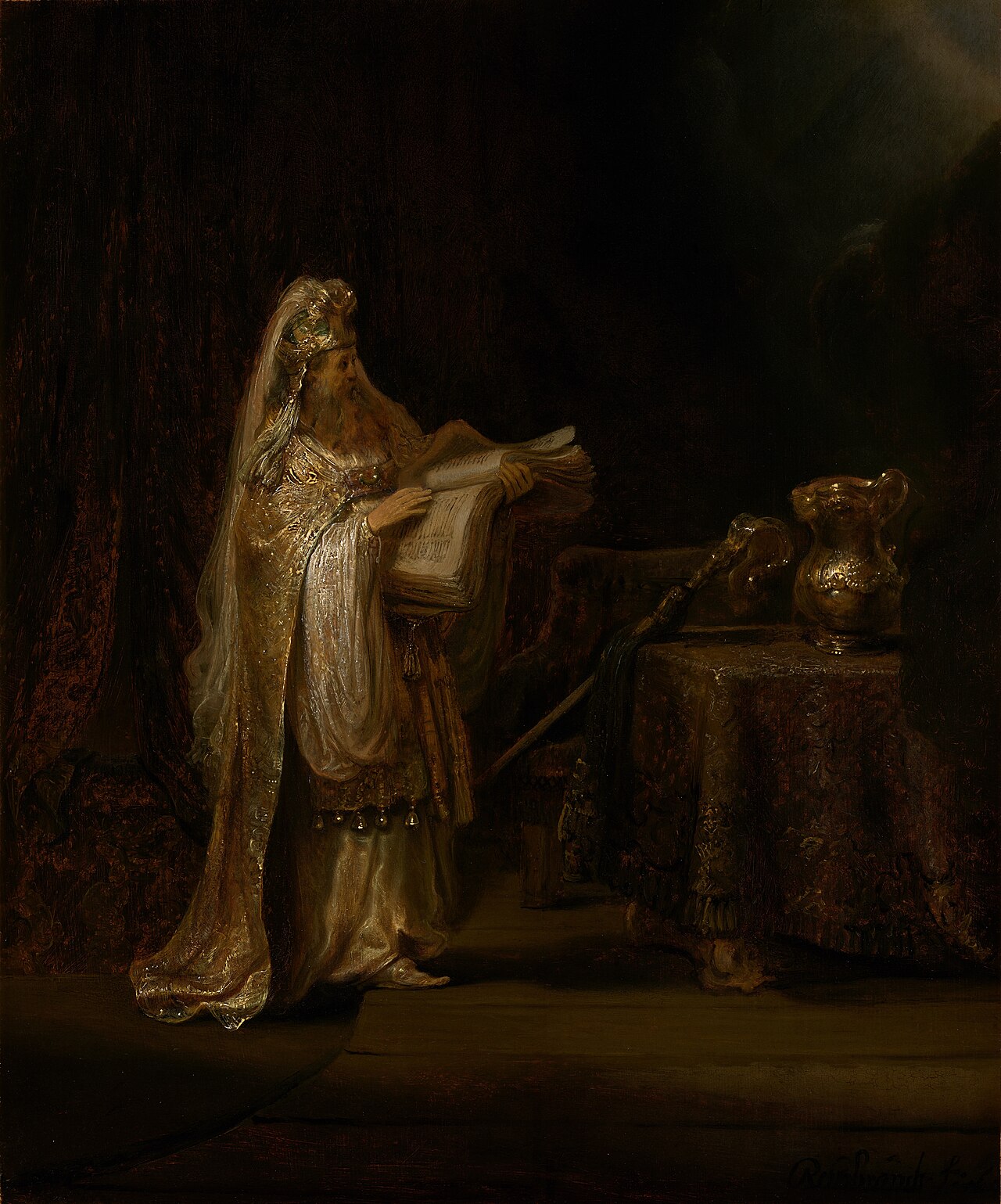
This remarkable journey of rediscovery, spearheaded by experts at a leading niederländisches museum rembrandt specialists, not only adds a new jewel to the artist's known oeuvre but also underscores the enduring power of scientific scrutiny and dedicated art historical research. It's a testament to how modern technology, combined with traditional connoisseurship, can rewrite chapters of art history and bring a forgotten genius back into the spotlight. The painting, depicting the biblical story of Zacharias and the Archangel Gabriel, offers a fresh glimpse into the 27-year-old Rembrandt's exceptional talent in 1633, the very year it was painted in Amsterdam.
From Rejection to Revelation: The Painting's Tumultuous Journey
The story of this particular Rembrandt is as dramatic as the biblical scene it portrays. For decades, it existed in relative obscurity, having been purchased by a private collector in 1961, just a year after being controversially downgraded and deemed not a Rembrandt. It vanished from public display, its true identity shrouded in doubt and historical oversight. For over 60 years, it remained hidden, a lost masterpiece patiently awaiting its vindication.
The tale began to turn when the anonymous owner, perhaps sensing an unusual quality in the artwork, approached the museum with a humble query: was the painting merely Dutch? Director Taco Dibbits recounts the awe-inspiring moment of this initial inquiry. "He really didn't know what he had," Dibbits told The Associated Press. "And then to discover that it's a Rembrandt is something that's amazing to experience." This serendipitous inquiry set in motion a rigorous two-year investigative process, culminating in the painting's triumphant re-authentication.
The painting itself is a vibrant depiction of a pivotal moment in the New Testament. High priest Zacharias, stunned by the news delivered by the Archangel Gabriel that he and his wife will have a son – John the Baptist – is captured in a moment of profound surprise. Rembrandt's signature use of dramatic light masterfully illuminates Zacharias's astonished expression, heralding Gabriel's divine arrival and adding an ethereal quality to the scene. It's a prime example of the young Rembrandt's burgeoning genius, showcasing his ability to infuse emotional depth and dramatic tension into his subjects.
The Science of Authentication: Unlocking Rembrandt's Secrets
The process of authenticating an Old Master is far from a simple judgment; it involves a multidisciplinary approach combining scientific analysis with traditional art historical expertise. For this Rijksmuseum Confirms Long-Lost Rembrandt Masterpiece, the scrutiny was exhaustive and cutting-edge. Jonathan Bikker, the museum's curator of 17th-century Dutch paintings, detailed the meticulous methods employed:
- Macro X-ray Fluorescence Scans: These advanced scans allowed experts to peer beneath the surface layers of paint without causing any damage. They reveal the chemical composition of pigments, underdrawings, and any changes made during the painting process. In Rembrandt's case, these scans can expose his characteristic working methods, such as initial sketches or alterations, providing crucial insights into his creative process.
- Dendrochronology (Wood Panel Dating): The wooden panel on which the painting was executed underwent dendrochronological analysis. This scientific method analyzes tree rings to determine the age of the wood. Experts confirmed that "the wood that was used for the panel on which it's painted... is definitely from a tree that was cut down before 1633, the date on the painting." This provides undeniable proof that the material was available and used within Rembrandt's lifetime and specific working period.
- Pigment Analysis: Researchers meticulously analyzed the pigments used in the painting. The findings confirmed that "all the pigments, the paint in the painting were used by Rembrandt in other paintings." This consistency in the artist's palette across his known works is a strong indicator of authenticity, as different artists often had distinct preferences or access to specific materials.
- Stylistic Comparison and Brushwork Analysis: Beyond the scientific data, art historians conducted extensive comparisons with other undisputed works by Rembrandt from the same period. They examined the "layers of paint and how he painted it," concluding that it was "precisely the same as in other works by Rembrandt." This includes analysis of his distinctive brushwork, chiaroscuro (light and shadow) techniques, and compositional choices, all hallmarks of his unique artistic language.
This rigorous, multi-faceted approach leaves little room for doubt, firmly establishing the painting as an authentic Rembrandt. It highlights the invaluable role of contemporary scientific tools in resolving long-standing art historical debates and ensuring the accuracy of attribution.
The Impact of a Re-Discovered Masterpiece
The re-authentication of a Rembrandt is more than just an academic victory; it resonates across the art world. It adds to the approximately 350 known paintings by the master, enriching our understanding of his stylistic development and thematic interests, particularly during his vibrant early career in Amsterdam. As Jonathan Bikker noted, this discovery raises hope that other "lost" Rembrandts might still exist, waiting to be identified and brought back into the public consciousness.
Such discoveries also have significant cultural and economic implications. A newfound Rembrandt instantly commands immense value, not just monetarily but historically. It attracts global attention to the institution responsible for its authentication, in this case, the Rijksmuseum, solidifying its reputation as a leading authority on Dutch Golden Age art. It also invigorates public interest in art history, demonstrating that even centuries-old mysteries can still be solved with persistence and innovation.
For aspiring art historians or curious enthusiasts, this story serves as a powerful reminder of the thrill of discovery. It underscores that the field of art history is not static but continually evolving, with new insights and revelations possible through dedicated research and technological advancement. Perhaps, somewhere, another "needle in a haystack" awaits its moment of revelation.
Experiencing Rembrandt's World: From New Discoveries to Historic Homes
For those eager to immerse themselves in the world of Rembrandt, this re-authenticated masterpiece will soon be on long-term loan at the Rijksmuseum, displayed among other iconic works by the Dutch master. This offers a unique opportunity to witness firsthand the brushstrokes of a young genius and appreciate the rigorous process that brought it back into the fold.
Beyond the Rijksmuseum, another invaluable experience awaits in Amsterdam: the Museum Rembrandthuis. This beautiful historic house in central Amsterdam is where Rembrandt lived and worked between 1639 and 1658. It has been meticulously refurbished with 17th-century furniture, art, and artifacts, based on an inventory from that era, offering an unparalleled glimpse into the artist's daily life and creative environment. Walking through his studio and living quarters, you can almost feel his presence, imagining him at work, experimenting with light and shadow, much like he did in the newly confirmed "Zacharias and the Archangel Gabriel."
The modern museum wing of the Rembrandthuis also hosts temporary exhibitions, intelligently juxtaposing Rembrandt's work with artists he inspired, providing a deeper understanding of his lasting influence. Visiting Discover Rembrandt's World: Inside His Amsterdam Home Museum offers a profound connection to the artist, making his genius feel tangible and immediate. Combining a visit to the Rijksmuseum to see the newly discovered work with an exploration of his former home provides a comprehensive and deeply enriching experience of Rembrandt's enduring legacy.
The re-authentication of this "needle in a haystack" Rembrandt is a triumph of art historical scholarship and scientific innovation. It reminds us that masterpieces can still emerge from obscurity, defying previous rejections and enriching our collective cultural heritage. The diligent work of the experts at the Dutch museum not only adds a significant work to Rembrandt's canon but also rekindles hope for countless other hidden treasures yet to be discovered, inviting us all to look a little closer at the art around us.